
The Quiet Art of Decorative Iron in Interior Spaces
Misti St. Pierre on Jan 6th 2026
In interior design, the most impactful elements are often the ones that operate quietly. They are not always the focal point, yet they shape how a space feels, functions, and endures over time. Decorative iron drapery hardware is one of these elements, sitting at the intersection of art, architecture, and utility.
While window treatments are frequently discussed in terms of fabric and fullness, the hardware that supports them plays a critical role in defining scale, proportion, and visual rhythm. When approached thoughtfully, drapery hardware becomes less about holding fabric and more about reinforcing the architectural language of a room.
Material as an Artistic Choice
Iron has been used decoratively for centuries because of its inherent strength and expressive potential. Unlike lightweight or composite materials, iron carries visual weight. It anchors a design and introduces a sense of permanence that softer materials alone cannot provide.
In window treatments, this weight matters. Drapery medallions, rods, and holdbacks often sit at eye level, framing the window opening and interacting with surrounding architectural details. Iron hardware responds to light differently than painted or plated alternatives, revealing subtle texture and depth that changes throughout the day.
This material presence allows iron to function almost like functional sculpture. Its form supports the composition of the window treatment while contributing to the overall aesthetic narrative of the space.
Finish as Surface Expression
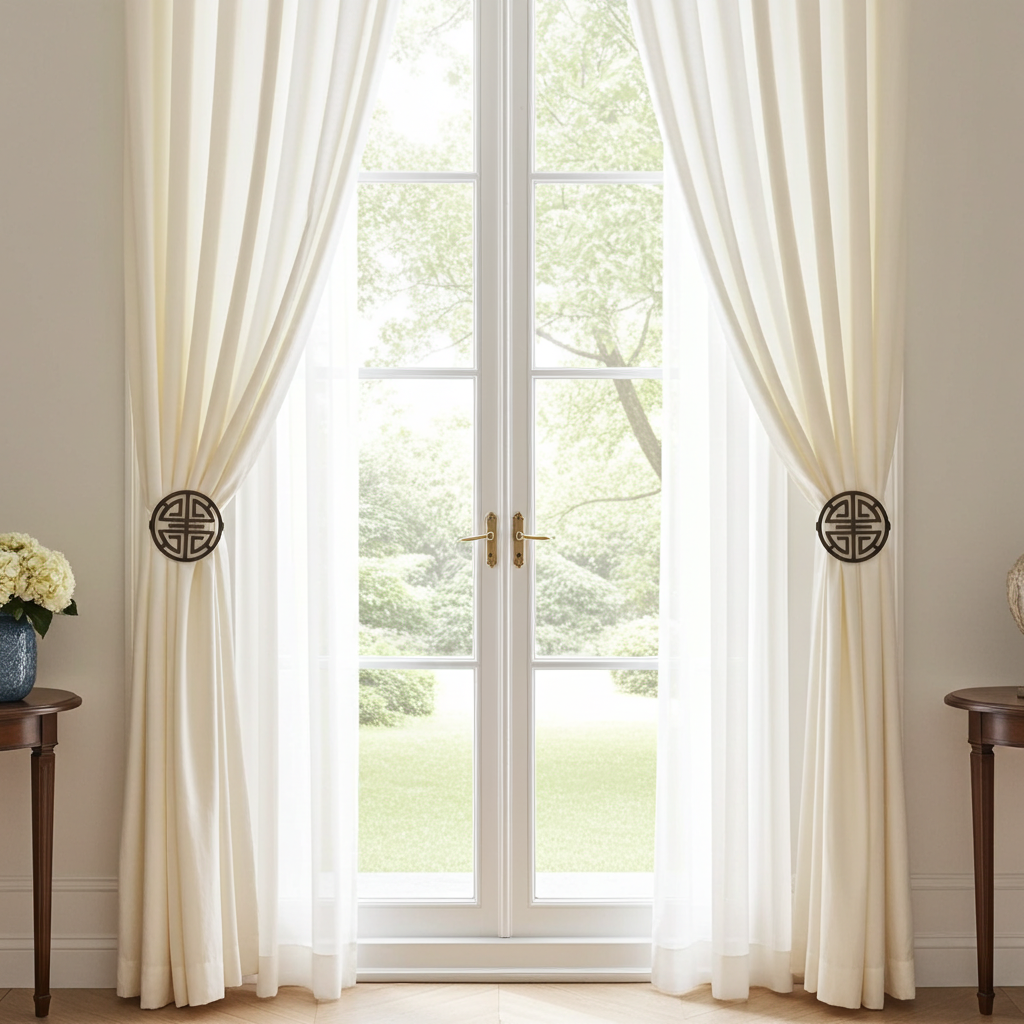
Finish selection is where decorative iron becomes expressive. Hand-applied finishes introduce nuance that machine-applied coatings cannot replicate. Variations in tone, depth, and highlight allow the surface to feel organic rather than uniform.
Rather than matching finishes exactly, many designers treat iron finishes as they would patina or glaze in fine art. The goal is coordination, not repetition. Warm finishes often harmonize with wood, plaster, and layered textiles, while cooler finishes reinforce clean lines and restrained palettes.
Understanding how finishes interact with both natural and artificial light allows hardware to complement a space without overwhelming it. A thoughtfully chosen finish can soften strong architectural lines or add quiet contrast where a room needs definition.
A curated overview of hand-applied finishes commonly used in iron drapery hardware can be found through this finish guide.
Function as a Creative Constraint
Constraints often lead to better design. Drapery hardware is no exception. While rods remain common, medallions and holdbacks offer alternative approaches that encourage more creative compositions.
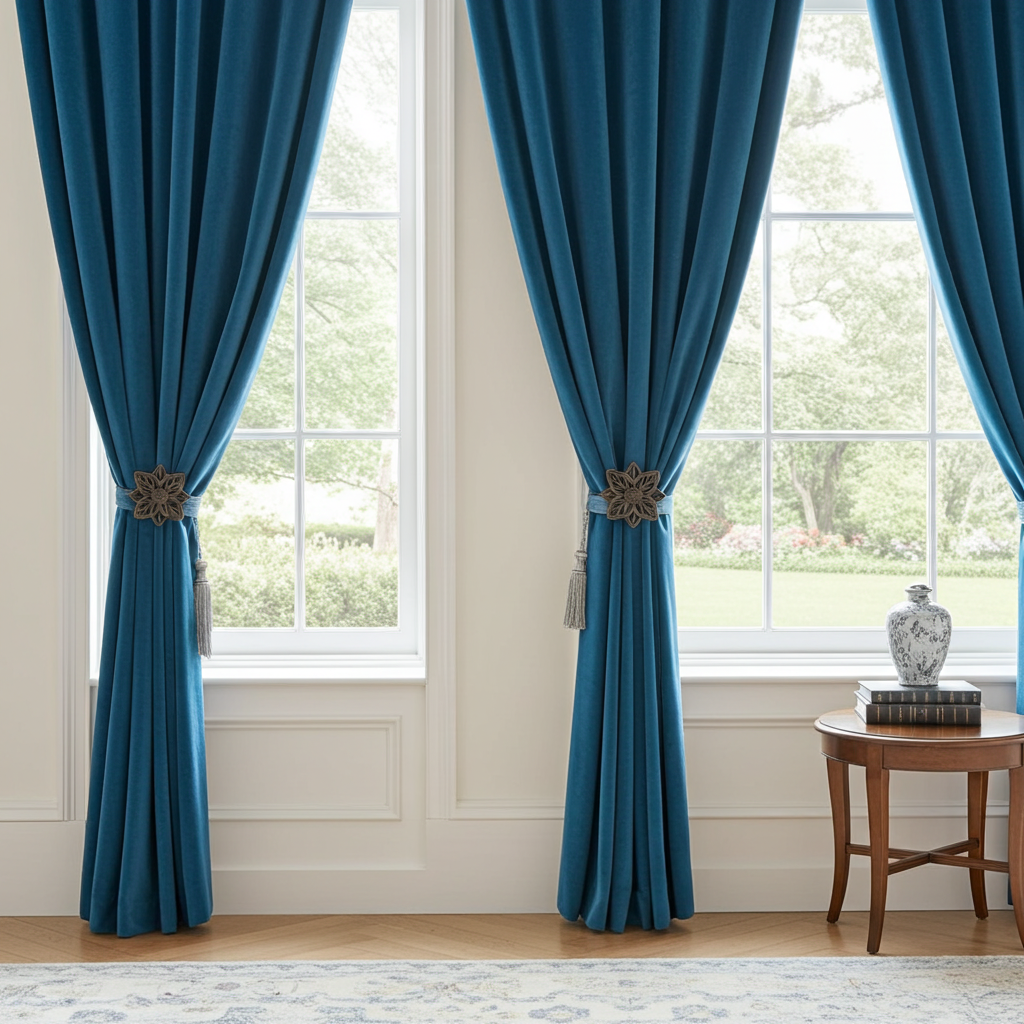
By using medallions as primary mounting points, designers can create swags, layered panels, or sculptural fabric arrangements without the visual interruption of continuous hardware. This technique works especially well in bay windows, arched openings, and spaces where traditional rods would feel visually heavy.
When hardware is designed with both structural integrity and aesthetic intention, it expands creative possibilities rather than limiting them.
Examples of iron medallions used beyond traditional holdback applications can be seen in a range of decorative drapery medallions designed for full installations.
Value Beyond Price
In decorative design, value is rarely defined by cost alone. Similar-looking objects can differ significantly in material quality, finish integrity, and longevity. This is particularly true in decorative hardware, where pricing often reflects branding rather than construction.
Iron hardware produced with consistent materials and scalable sizing allows designers to work proportionally without excessive cost escalation. Understanding how size, finish structure, and production scale affect pricing helps clarify why some pieces endure while others feel disposable.
A transparent look at how decorative iron hardware pricing varies across the market helps contextualize these differences and can be reviewed through this pricing comparison overview.
Designing for Endurance
Unlike many decorative elements, drapery hardware is not frequently replaced. It must withstand daily use, environmental conditions, and evolving interiors. Properly finished iron ages with character rather than deterioration, developing subtle wear that often enhances its appearance.
This longevity aligns naturally with spaces that value craftsmanship, authenticity, and thoughtful material choices. When iron hardware is selected as part of the architectural framework rather than as an accessory, it supports design continuity even as fabrics, furnishings, and artwork change.
Final Thoughts
Decorative iron drapery hardware occupies a unique space between function and art. Its presence shapes how windows are framed, how fabric moves, and how architecture is perceived. When material, finish, scale, and purpose are considered together, hardware becomes an intentional design element rather than an afterthought.
About Metropolis Iron
Metropolis Iron specializes in handcrafted iron drapery hardware designed to integrate seamlessly into architectural interiors. With a focus on material integrity, hand-applied finishes, and scalable design, the company approaches hardware as a lasting design component that supports both creative expression and long-term performance.
As seen on:
https://altart.us/the-quiet-art-of-decorative-iron-in-interior-spaces.html